
Why Women’s Stories Matter More Than Ever
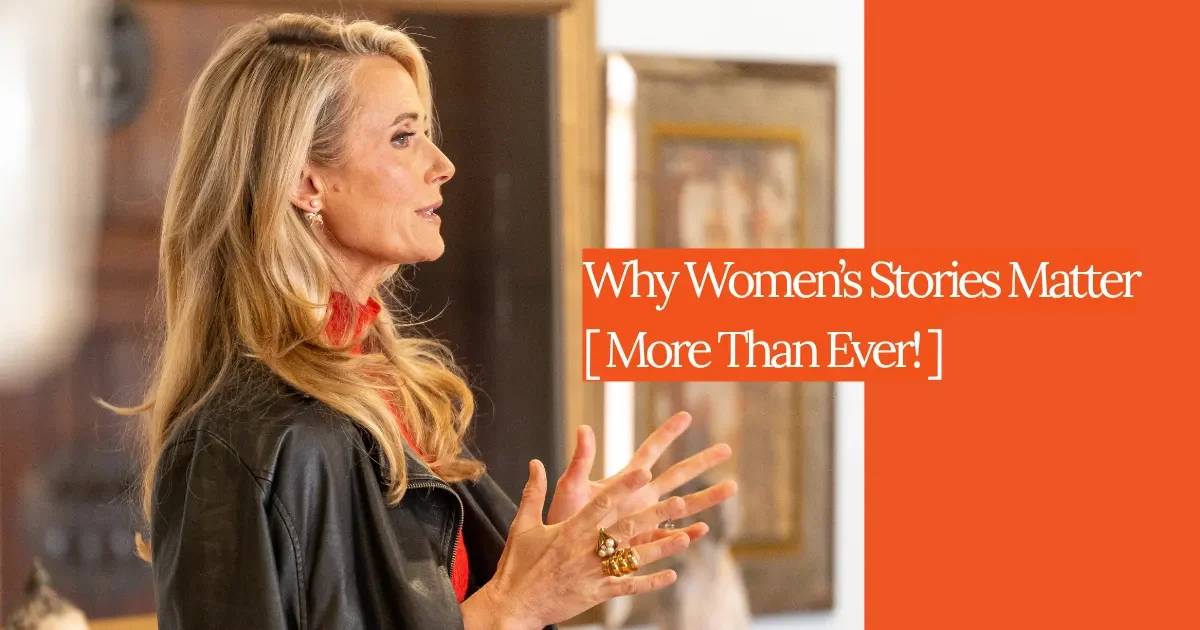
At All In Together, we champion the need to have more women in rooms of power in all domains and disciplines. When it comes to media and the arts, women tell stories differently from men and create more opportunities and employment for other women in front of and behind the camera. It matters because stories shape the culture, and culture shapes politics. We believe their voices are vital.
As a NY based organization, we were thrilled to see that this year’s Tribeca Film Festival featured a number of women-centric stories and creators as part of their Tribeca women’s voices initiative. This included films on abortion, the portrayal of women on screen, and one topic currently central to our work, the impacts of technology on women’s ability to participate in public life.
In particular, AIT CEO Lauren Leader attended the premiere of Jennifer Siebel Newsom’s new film, Miss Representation: Rise Up, which explores the growing hostility toward women and girls online. By highlighting how technological developments, like AI and social media have contributed to the harassment and abuse of women and girls, Miss Representation: Rise Up paints a stunning picture of an urgent issue. At a private lunch we hosted for her after the premier, film maker and California First Partner Jennifer Siebel Newsom, told us,
“It’s critical that we support female filmmakers because we’ve had 250 years in this country of men’s stories being told over and over again… As a result, we have newer technology, AI and social media in particular, that are being weaponized to harm women and girls’ mental health, safety, and power”.
She’s right - when women’s voices are at the forefront of storytelling, they can tap into a deep well of lived experiences and topics that often go unseen. This builds empathy for stories that often go unheard and paves the way for new perspectives to come through. In 2025, only 29% of top-grossing films had female protagonists, which is a sharp decline from 2024’s 42%. Female characters held just 38% of speaking roles, meaning that the stories we engage in still skew heavily male.
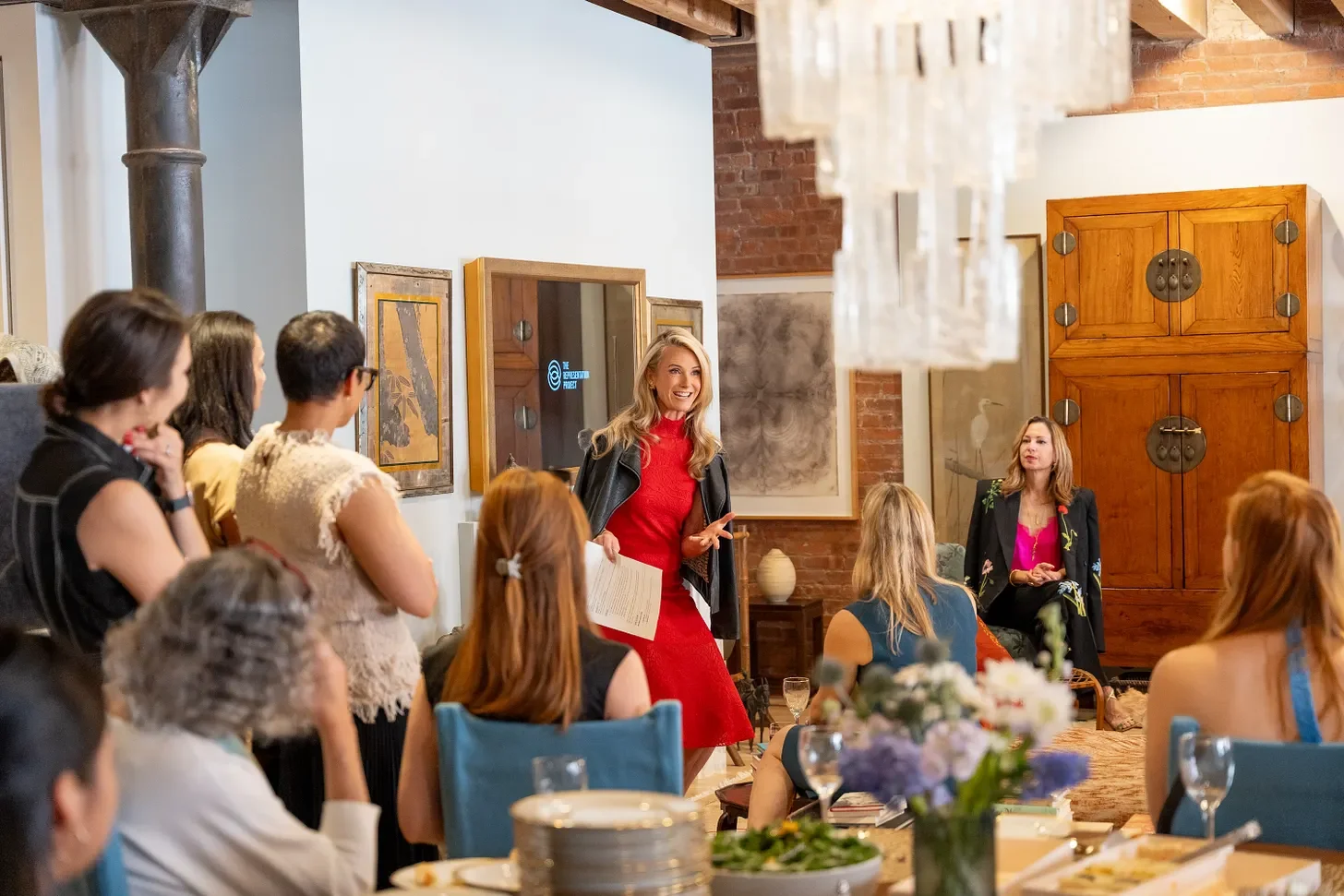
Jennifer Siebel Newsom
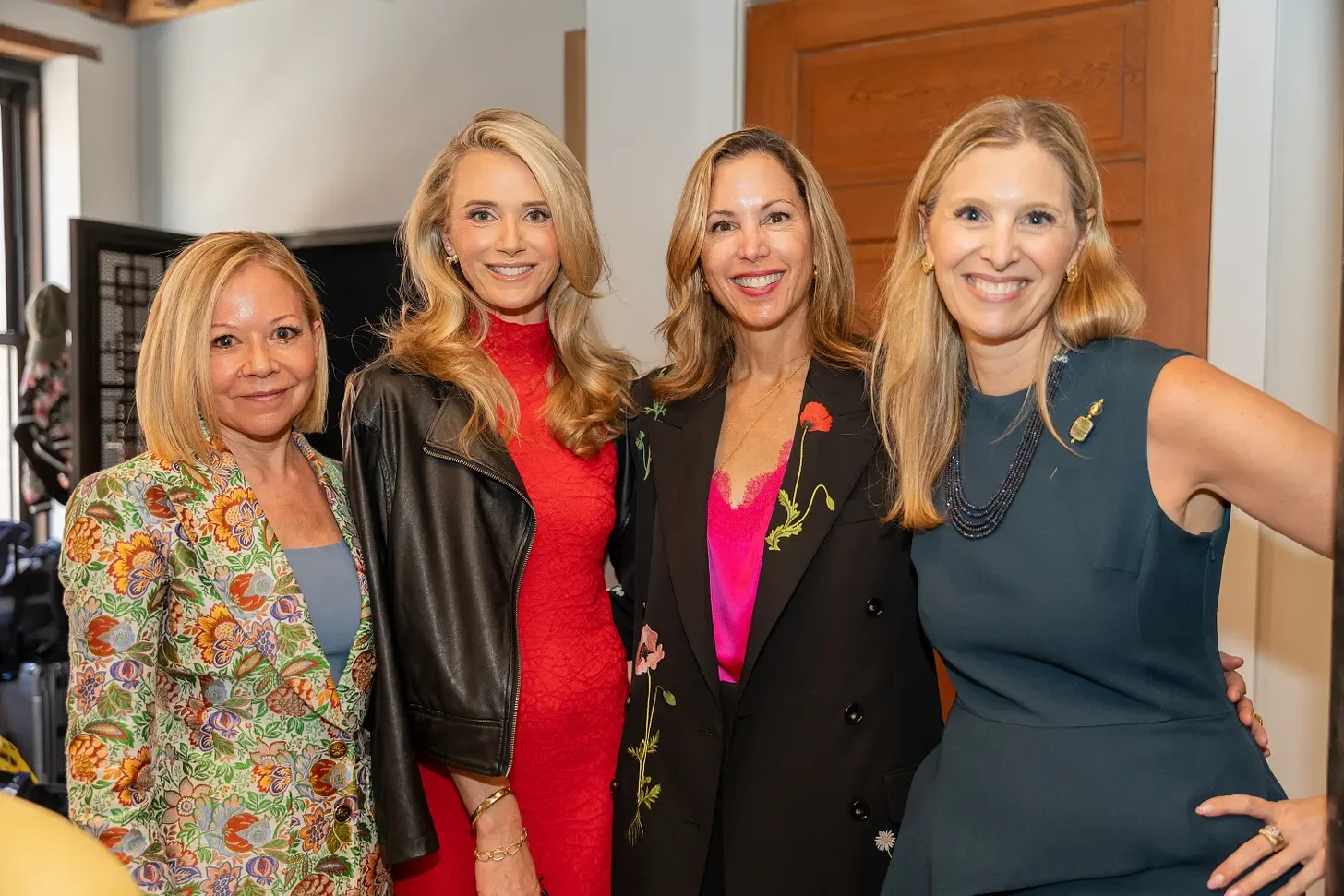
Eve O’Toole, Jennifer Siebel Newsome, Victoria Meakin, and Lauren Leader
Online harassment of women and girls is a growing crisis threatening to undermine the progress of women’s leadership in the US and around the world. In a study conducted by the National Organization for Women, 27% of surveyed women reported experiencing online abuse or harassment, showing a 4% increase from last year’s survey. Women in more public or highly visible occupations, like film, media, and politics, reported an even higher rate at 41%. These attacks against women are not random; they are a coordinated effort to silence any voices that challenge the status quo. New technological attack strategies like deepfakes and non-consensual imagery act as weapons to drive women out of public life by forcing them to turn down opportunities and shrink themselves even more.
Legislation is urgent and necessary - bills like the Take It Down Act, which went into effect recently, are a start, but far more is needed. Culture has to change alongside policy, and that’s where storytelling comes in. Films like Miss Representation: Rise Up put faces and voices to the statistics. When women feel safe to tell their stories, they expand what society believes is possible and pave the way for others to follow.
We were thrilled to be part of such an important film, and it’s time for women’s stories to get the spotlight they deserve.