
Effective Strategies for Meeting with Elected Officials and Influencing Policy
September 17, 2024 | by Priya Elangovan
Meeting with your elected officials is a powerful way to make an impact on policy decisions. Whether you’re advocating for a local issue or pushing for federal legislation, a well-organized meeting can foster long-lasting relationships and make your voice heard. Here’s how to prepare, conduct, and follow up on meetings with legislators to ensure your advocacy efforts are as effective as possible.

All In Together staff and board meet with members of the White House Domestic Policy Council
Why Meetings Matter
Meeting with your elected officials offers several advantages:
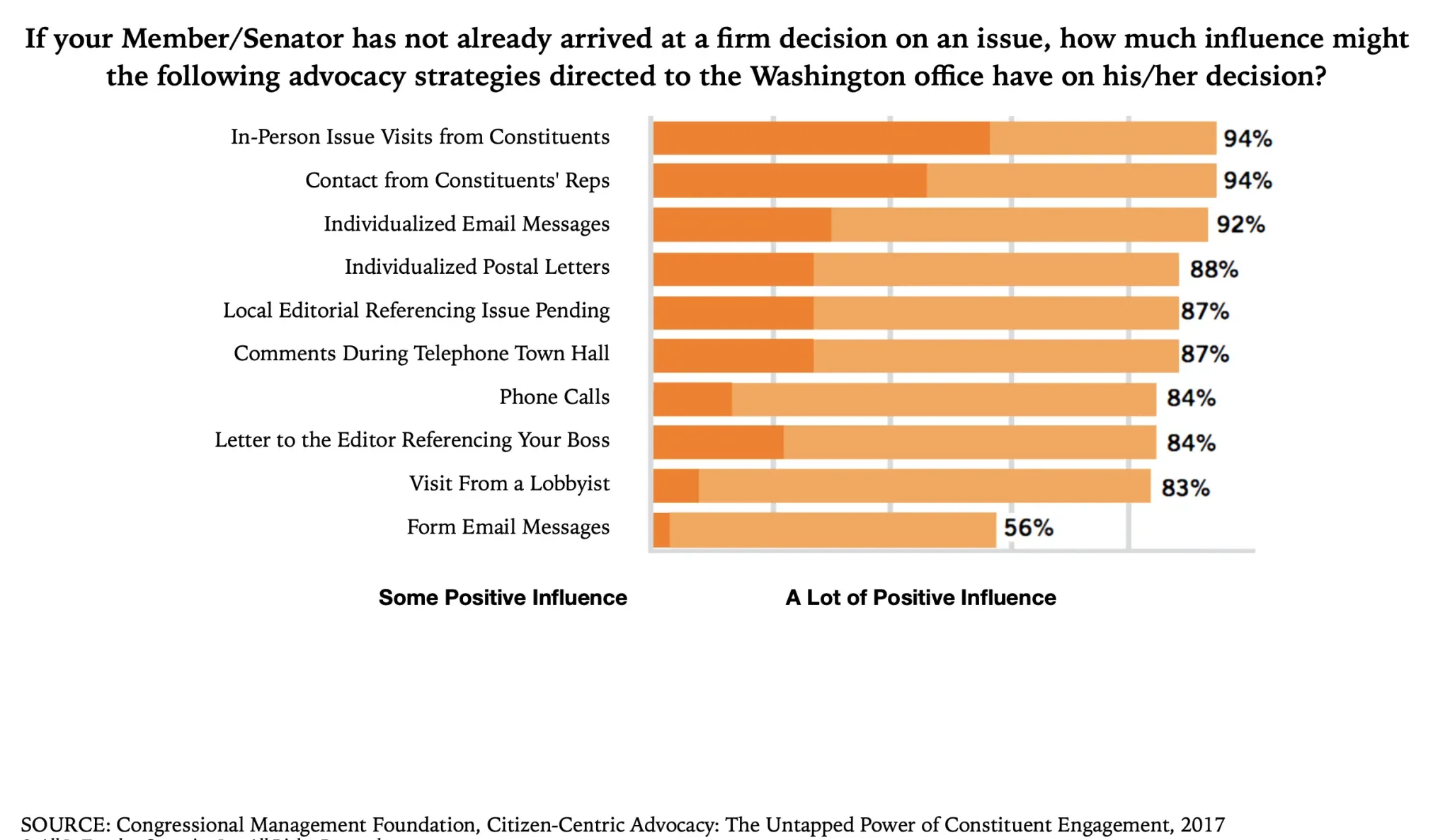
Build Relationships: In-person meetings help build credible, long-lasting relationships with legislators and their staff.
Memorable Advocacy: Face-to-face interactions allow you to convey your message in a more nuanced and memorable way.
Deepened Engagement: You can invite others to join the cause, building broader community support.
Requesting a Meeting: Timing and Contacting Schedulers
To secure a meeting with your elected official, it’s important to:
Check the Legislative Session Calendar: Members of Congress are usually in Washington, D.C., and state legislators are in state capitals when in session, and both are in their home districts when not in session.
The location of the meeting usually has no impact on on its influence
Be Flexible: Schedules can change rapidly, so be prepared to adjust as needed.
It’s also ok if you wind up meeting with a staffer instead of the legislator! Staffers are often the experts on specific issues and sometimes meeting with them can be more impactful.
Contact the Scheduler: Call your legislator’s office and request the scheduler’s email address to send your meeting request. Follow up weekly until the meeting is confirmed.
Include in your initial email outreach:
A brief introduction on who you are
The purpose of your meeting (your “ask”)
Your preferred date/timeframe/location
Who will be attending
Make the request 2-4 weeks ahead of your desired meeting date
Preparing for the Meeting: Developing Your Ask
To have a successful meeting, your “ask” must be clear and specific. Consider these tips:
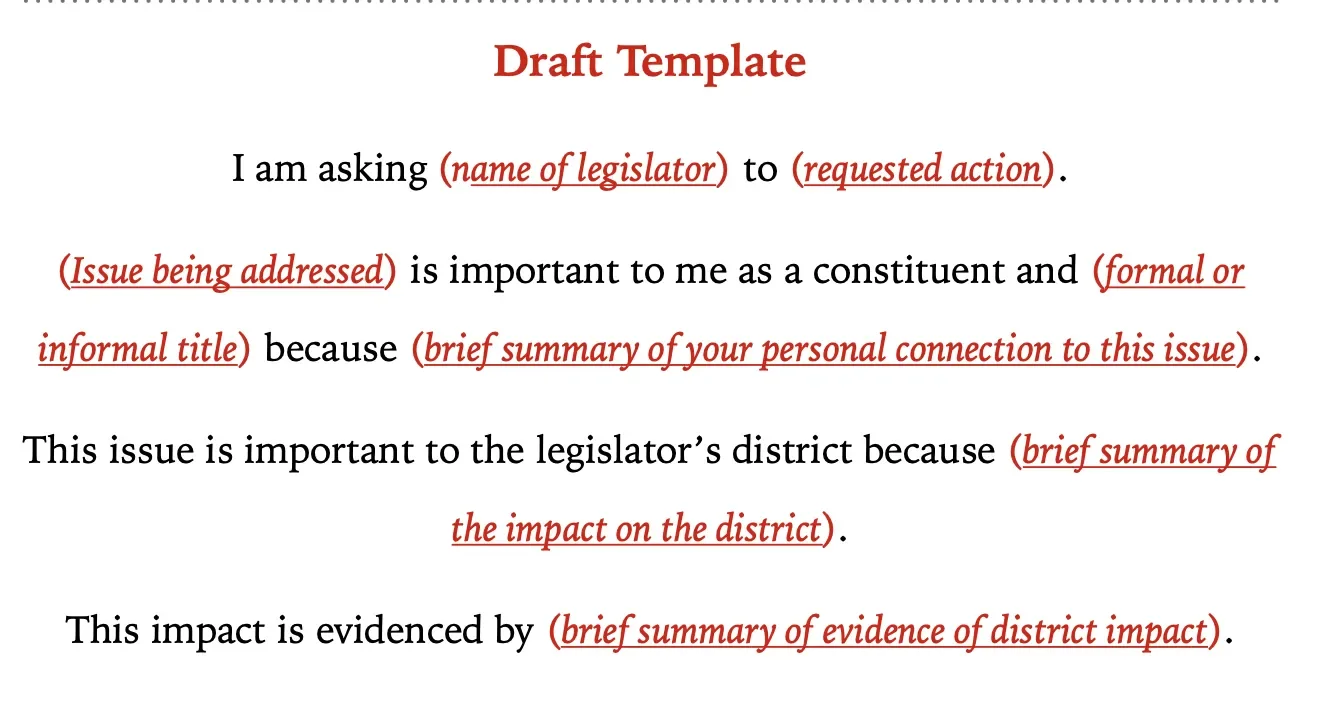
What Do You Want?: Be clear about what action you want your legislator to take (e.g., sponsor a bill, vote a certain way, release a statement).
If you are asking about specific legislation, make sure to include the bill number in your ask
Why It Matters: Explain why this issue matters to you and how it impacts the legislator’s district.
Use Data: Provide reputable, data-driven evidence to support your case.
Inviting and Preparing Meeting Attendees
If you are bringing a group to the meeting, it’s essential to:
Include Constituents: Legislators value the opinions of their constituents more than job titles or affiliations.
Keep the Group Small: Limit your group to 1-4 people for a more focused discussion.
Prepare Your Attendees: Review the “ask” and set clear goals for the meeting. Each attendee should know what they will contribute.
Read Aheads: According to the Congressional Management Foundation, materials are more helpful ahead of meetings. A 1-2 page document featuring your ask and information about how it impacts the district will help the legislator and staffers prepare for the meeting
Organizing Your Meeting Agenda
To keep the meeting on track, follow this simple agenda:
Opening: Introduce yourself and your group members, explaining your affiliations.
State Your Case: Share personal stories and data that highlight the issue’s importance.
Present the Challenge: Explain why the legislator’s support is crucial and offer solutions.
Make Your Ask: Be specific about what you want the legislator to do.
Thank Them: Close the meeting by thanking the legislator and outlining follow-up steps.
Following Up After the Meeting
Your work doesn’t end once the meeting is over. Be sure to:
Send Requested Information: Provide any additional data or follow-up materials promptly.
Send a Thank You Note: A brief email or letter expressing gratitude can go a long way.
Plan for Follow-Up: Stay in touch with the legislator’s office, recapping your meeting and reinforcing your ask.
Additional Tips for Advocacy Success
Invite Legislators to Visit You: If you can’t meet with them in their offices, invite them to tour your facilities or speak at your events.
Empower Others: Encourage staff, board members, or community leaders to champion your cause. Provide them with the tools and information they need to advocate effectively.
Conclusion
Meeting with elected officials is one of the most impactful ways to advocate for issues that matter to you and your community. By preparing thoroughly, presenting your case effectively, and following up diligently, you can build relationships and create lasting legislative impact.
